 By Miah Ayaan
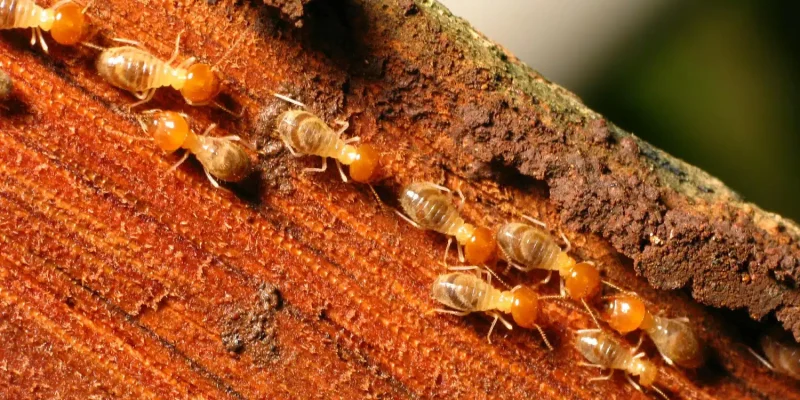
Termites can wreak havoc on a home if not treated promptly. They weaken the framework of your house as they eat cellulose-based materials like wood. Termites have massive colonies that can contain thousands or millions of termites. Early detection of their activity can help you save money on repairs. Also, you must work with a Saela Pest Control technician whenever you suspect an invasion in Merriam, KS.
Common Signs of Termite Infestation
You will know that termites have infested your property if you notice any of the following:
- Mud tubes. Termites build little tunnels that they use to move from their colony to the food sources they have discovered.
- Hollow-sounding wood. Wood that has been eaten by termites will sound hollow when tapped.
- Discarded wings. Termites leave their nests behind when they swarm. You might be dealing with an infestation if you find wings near light sources such as windows.
How to Protect Your Home from Termites
You keep termites out of your home by taking the following preventive measures:
- Control moisture levels. Termites love damp conditions, so you can make your home less attractive to them if you minimize the moisture levels in surrounding areas. Also, relative humidity must be kept low. Repair leaks and ensure drainage is working properly. Install a dehumidifier in areas that frequently become wet, such as basements and crawlspaces. This can help decrease moisture and repel termites.
- Store wood and paper properly. Termites are drawn to wood, cardboard boxes, and timber. Keep these materials away from your home’s foundation to discourage termites from invading your home. Also, wood that must be kept near your home should be stocked high.
- Seal entry points. Termites can enter your home through the foundation, doors, and windows. Inspect these openings frequently and use foam or caulk to seal cracks you spot. Pay attention to possible access areas like spaces around pipes, vents, and electrical outlets.
- Ensure proper ventilation. Crawls spaces, attics, and basements must have sufficient ventilation to prevent water damage. Improved ventilation can reduce moisture levels and make the surroundings less attractive to termites. Consider installing fans to increase airflows.
How to Effectively Treat Termites
Termite infestations are usually addressed with the following approaches:
- Professional termite control services. A pest control company can help eliminate a termite infestation using the right tools and methods. Its technicians will evaluate the area and recommend the best treatment option. Options can include baiting systems, fumigation, and liquid termiticides.
- DIY treatment. You can try the following if you are dealing with minor infestations:
- Boric acid. This natural remedy can poison termites. It can be utilized on regions with a history of an infestation.
- Orange oil. This product contains d-limonene, which can kill termites. You can inject wood surfaces with it.
- Nematodes. Beneficial nematodes released into the soil can help control termites. They may relieve the symptoms; however, they will not address the root cause of the issue.
- Chemical treatments. Experts can employ liquid termiticides to build a barrier against termites around your property. Termites that come into contact with such substances will die or flee.
Long-Term Strategies to Prevent Termites
The following strategies can keep termites at bay in the long term:
- Regular inspections. Schedule an appointment with a reliable company for regular inspections. This makes sure your home does not have termites. Consider an inspection once or twice every year.
- Landscaping tips. There should be enough space between any wooden construction and the ground around your home. Ensure outside constructions, such as decks and fences, are built using termite-resistant materials.
- Structural maintenance. Ensure you have a solid foundation and fix broken wood around your home. Replace any wood that has decayed or been eaten by vermin. Treat wood before any construction or renovation job to ensure resistance to termites.