 By Miah Ayaan
Singapore’s property market is no longer shaped only by distance to the CBD or proximity to MRT stations. In 2026, a quieter but powerful shift is happening: buyers are choosing homes based on how their daily life is geographically structured.
This new idea—“work-life geography”—is redefining what makes a location desirable. Instead of asking “How far is the office?”, buyers are asking “How does this area support my entire lifestyle ecosystem?”
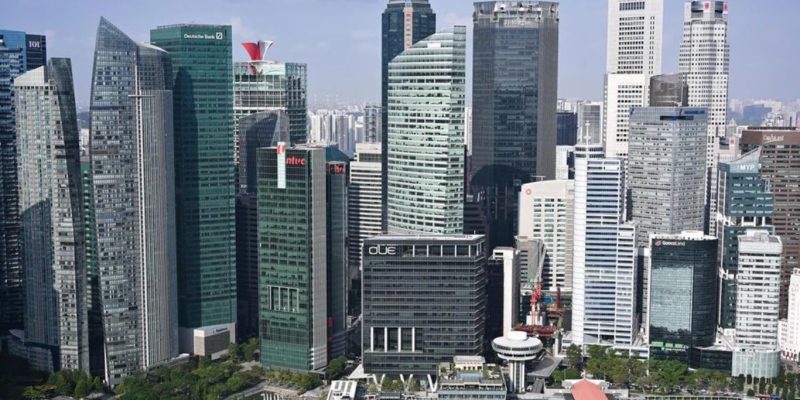
The Decline of the Single-CBD Mindset
For years, living close to the Central Business District was considered the ultimate convenience. But hybrid work, regional office distribution, and flexible schedules have reduced the need for daily CBD commuting.
Now, many professionals only travel to the office a few times a week. This change has reduced the premium placed on central-only living and expanded interest in well-connected suburban regions.
As a result, property demand is spreading more evenly across Singapore, especially in areas that offer strong lifestyle balance.
The Rise of “Multi-Hub Living”
Instead of one central workplace, many residents now operate within multiple hubs:
- Home workspace
- Co-working spaces
- Regional offices
- Client meeting locations
- Lifestyle destinations
This has changed how people evaluate convenience. A home is no longer judged by distance to one point, but by accessibility to several key nodes.
Areas that connect smoothly to multiple parts of the island are gaining stronger appeal than those optimized only for city access.
Lifestyle Radius Has Become More Important Than Commute Time
Buyers are increasingly thinking in terms of “life radius” rather than travel time.
Within this radius, they expect access to:
- Grocery and retail options
- Schools and childcare
- Fitness and wellness facilities
- Dining and social spaces
- Green and recreational areas
If a neighbourhood supports these needs within a short travel circle, it is seen as highly livable—even if it is not centrally located.
This is a major reason why some fringe and suburban districts are performing strongly in 2026.
The Growing Importance of “After-Work Geography”
Another emerging concept is how people spend time after work.
Buyers are now evaluating:
- Nearby cafés and dining clusters
- Parks and outdoor spaces
- Fitness and wellness facilities
- Quiet environments for recovery
Homes are increasingly chosen based on how well they support decompression after a long day. This is especially relevant for professionals working in high-stress industries.
Developments that are located near calm, green surroundings tend to benefit from this shift in lifestyle priorities.
Family Geography Is Driving Long-Term Demand
For families, work-life geography expands even further.
Parents are not just considering their own commute, but also:
- School accessibility
- Childcare logistics
- Weekend activity options
- Safety of surrounding environment
This has strengthened demand in well-established residential zones where education and community infrastructure are strong.
In such areas, convenience is measured in daily routines rather than transport speed alone.
How Hybrid Work Changed Property Desirability
Hybrid work has permanently altered what buyers expect from a home.
Instead of being a place to return to at night, the home has become:
- A workspace
- A rest space
- A social space
- A personal retreat
This has increased demand for layouts that support flexibility, privacy, and comfort.
Homes with dedicated study areas or adaptable rooms are now seen as more valuable within the work-life geography framework.
The Shift Toward “Green Connectivity”
Connectivity is no longer just about MRT access. It now includes access to nature and open space.
Buyers are placing higher value on:
- Parks and nature reserves
- Cycling and jogging routes
- Low-traffic residential streets
- Airy, less congested surroundings
This is especially visible among families and professionals seeking balance between urban convenience and mental wellbeing.
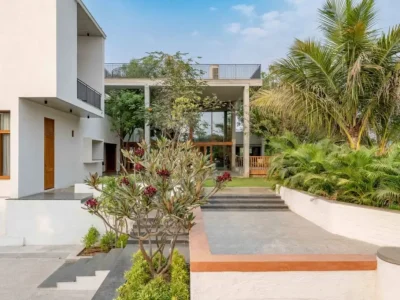
Developments like Thomson Reserve reflect this evolving preference, where greenery and connectivity coexist to support a more balanced daily lifestyle.
Neighbourhood Identity Is Becoming a Key Factor
In 2026, buyers are also paying more attention to the “identity” of a neighbourhood.
Each area now carries a lifestyle personality:
- Some are business-heavy and fast-paced
- Some are family-oriented and calm
- Some are lifestyle and dining focused
- Some are nature-integrated and quiet
Buyers choose based on which identity matches their daily rhythm rather than purely on geography.
This makes property selection more personal and lifestyle-driven than ever before.
The Role of Convenience Clusters
Instead of relying on central hubs, buyers now prefer multiple smaller convenience clusters.
A strong property location today is one that has:
- A nearby supermarket cluster
- A dining or café strip
- A fitness/wellness hub
- Easy transport access
These clusters reduce dependency on long travel and improve daily efficiency.
Properties located near such mixed-use ecosystems tend to perform better in both rental and resale markets.
How Developers Are Adapting to This Shift
Developers are beginning to design projects that align with work-life geography trends.
They now emphasize:
- Proximity to lifestyle nodes
- Integration with green spaces
- Flexible unit layouts for work-from-home use
- Reduced density for better living comfort
The focus is shifting from pure architectural impact to how the development fits into the surrounding lifestyle ecosystem.
Boutique projects such as Amberwood at Holland reflect this direction, offering a more curated living experience that aligns with modern lifestyle expectations rather than purely urban density.
Why This Shift Matters for Long-Term Value
Work-life geography is not just a lifestyle trend—it has direct implications for property value.
Areas that support balanced living tend to:
- Attract more stable tenants
- Retain homeowners longer
- Maintain consistent demand across cycles
This creates stronger long-term price resilience compared to locations that rely solely on commuting convenience.
Final Thoughts
Singapore’s property market in 2026 is increasingly shaped by how people live their entire lives, not just how they travel to work.
The concept of work-life geography reflects a deeper shift toward balance, flexibility, and lifestyle integration. Buyers are no longer optimizing for a single destination, but for an entire ecosystem of daily needs.
Whether considering developments like Thomson Reserve or boutique residences such as Amberwood at Holland, the key question is evolving: not just “Is this location convenient?” but “Does this location support the way I actually live?”
In today’s market, the best properties are those that fit seamlessly into real life—not just commute maps.