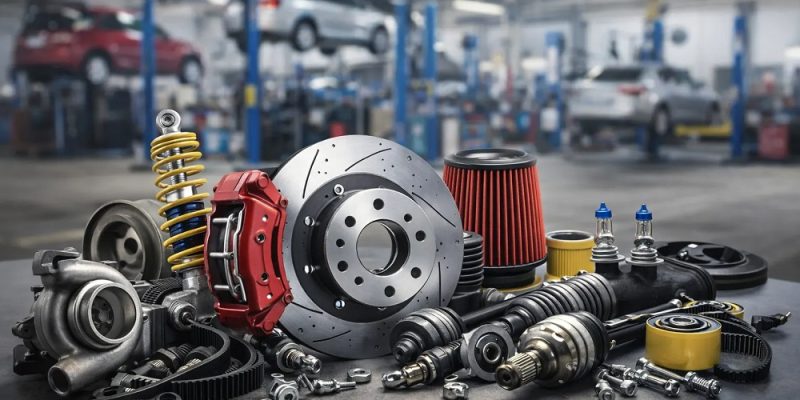
 By Miah Ayaan
Every vehicle on the road is a complex machine consisting of thousands of individual parts working in synchronized harmony. When every component functions as engineered, a car delivers smooth performance, optimal fuel efficiency, and dependable safety. However, the moment a single substandard part is introduced into this mechanical ecosystem, the reliability of the entire vehicle begins to degrade.
Vehicle owners frequently face choices between original manufacturer components, reputable aftermarket brands, and low-cost alternatives when performing routine maintenance or repairs. While the immediate price tag of cheap replacement parts can be tempting, the hidden costs of premature failure, secondary damage, and repeated labor fees quickly add up. Understanding the differences between component grades and knowing how to select quality auto parts is essential for keeping any vehicle reliable, durable, and roadworthy for years to come.
The True Cost of Low-Quality Replacement Parts
The market is flooded with discount replacement parts manufactured with inferior materials, imprecise tolerances, and little to no quality control. While these parts may physically fit into a vehicle during initial installation, their functional lifespan is often drastically shorter than higher-grade alternatives.
Choosing low-grade parts creates several critical vulnerabilities:
-
Premature Component Failure: Low-cost metals, substandard rubber compounds, and cheap electronic sensors fail far sooner than components built to strict engineering standards. This turns a single repair job into a recurring expense.
-
Secondary Mechanical Damage: A failing component rarely breaks in isolation. A cheap water pump that seizes can cause catastrophic engine overheating or break a timing belt. Similarly, an inferior brake rotor can damage calipers, ruin brake pads, and compromise wheel hub assemblies.
-
Safety Risks: Substandard suspension joints, counterfeit brake pads, or poorly calibrated steering parts can fail under emergency maneuvering conditions, putting the driver, passengers, and other motorists at risk.
-
Compromised Fuel Economy and Emissions: Budget oxygen sensors, mass airflow sensors, and catalytic converters often deliver inaccurate readings to the vehicle engine control module, leading to poor fuel air mixtures, excessive emissions, and engine misfires.
Investing in quality components upfront prevents these cascading mechanical failures and protects the overall value of your vehicle.
Understanding the Categories of Auto Parts
Navigating the automotive parts landscape requires understanding the terminology used across dealerships, independent repair shops, and online retailers. Replacement parts generally fall into three main classifications.
Original Equipment Manufacturer (OEM) Parts
OEM parts are manufactured by the vehicle maker or by an outside supplier contracted by the original automaker to build the components installed on the assembly line.
-
Exact Fit and Function: OEM parts are engineered to identical factory specifications, ensuring seamless installation, proper clearances, and identical performance characteristics.
-
Warranty Protection: Dealerships and factory warranties generally cover OEM components, providing peace of mind and verified build quality.
-
Higher Price Point: Because OEM parts carry automaker branding and distribution markups, they typically cost more than aftermarket alternatives.
Tier-One Aftermarket and OES Parts
Original Equipment Supplier (OES) parts are built by the very companies that make parts for automakers—such as Bosch, Denso, Bilstein, or Brembo—but are sold in their own brand packaging rather than the automaker box.
-
Equivalent or Superior Quality: These manufacturers use the exact same tooling, engineering standards, and high-grade materials as the factory-installed components.
-
Better Value: By bypassing automaker branding, high-tier aftermarket parts provide OEM-grade quality at a 20% to 40% lower cost.
-
Performance Enhancements: Reputable aftermarket brands frequently analyze known design weaknesses in factory components and engineer upgraded parts that resolve original failure points.
Generic and White-Label Aftermarket Parts
These are low-cost components produced by third-party factories with no affiliation to the original automakers.
-
Inconsistent Tolerances: Dimensions may vary slightly from factory specifications, requiring forced installation or modification.
-
Inferior Raw Materials: Low-grade alloys, recycled plastics, and weak polymers reduce structural integrity and corrosion resistance.
-
Lack of Independent Certification: Generic parts often lack quality certifications like ISO 9001 or DOT compliance testing.
Critical Vehicle Systems Where Quality Is Non-Negotiable
While certain cosmetic items or interior accessories can tolerate cheaper materials, core mechanical, electronic, and safety systems require the highest quality components available.
Braking Systems
Braking performance is directly dictated by friction material composition, heat dissipation capability, and casting density. High-quality brake pads and rotors provide predictable stopping distances, resist thermal fade during hard braking, and minimize rotor warping. Budget brake pads often produce excessive brake dust, generate persistent squealing, and shed friction material unevenly under thermal stress.
Suspension and Steering Components
Ball joints, tie rod ends, control arms, and strut assemblies endure constant impact forces and road vibrations. Quality suspension parts utilize hardened steel, durable dust boots made from polychloroprene rubber, and precision-machined ball studs. Inferior suspension parts develop premature play, causing alignment drift, rapid tire wear, and loose steering response.
Engine Management and Electronic Sensors
Modern internal combustion and hybrid powertrains rely heavily on precise sensor data to regulate ignition timing, fuel delivery, and variable valve timing. Installing cheap aftermarket sensors frequently causes false check-engine lights, rough idling, and engine stumbling because budget electronics lack the precise thermal calibration and electromagnetic shielding required by vehicle computers.
Cooling and Filtration Systems
Radiators, water pumps, thermostats, oil filters, and air filters protect the engine from its two biggest enemies: excessive heat and particulate contamination. Premium oil filters feature synthetic filter media, durable silicone anti-drainback valves, and robust metal end caps that prevent unfiltered oil from bypassing the filter during cold starts.
How to Verify and Choose Quality Parts
Making smart decisions during repairs requires a structured approach to researching, sourcing, and purchasing automotive components.
-
Stick to Established Brand Names: Look for recognized industry leaders with decades of manufacturing history in specific component categories.
-
Check for Industry Certifications: Verify that components meet recognized standards, such as ISO/TS 16949, SAE International specifications, or DOT safety compliance.
-
Examine the Warranty Terms: Reputable manufacturers back their parts with comprehensive warranties, often offering two-year, three-year, or limited lifetime coverage. A part offered with a 30-day warranty indicates low manufacturer confidence.
-
Inspect Physical Build Quality: Quality parts feature clean casting lines, uniform welds, robust packaging, distinct part number stampings, and corrosion-resistant coatings. Avoid parts with visible burs, flimsy hardware, or generic unbranded boxes.
-
Avoid Counterfeits by Using Authorized Distributors: Counterfeit automotive parts have become widespread on unregulated online marketplaces. Always purchase parts from certified automotive supply chains, authorized dealers, or well-established auto parts retailers.
The Long-Term Economic Advantage of Quality Parts
Vehicle ownership is a long-term financial commitment. While high-grade parts require a larger upfront investment, they deliver far lower cost-per-mile operating expenses over the lifespan of the vehicle.
High-grade components maintain optimal mechanical tolerances, which preserves engine compression, reduces transmission strain, and minimizes rolling resistance. When a vehicle runs efficiently, it consumes less fuel, requires fewer emergency repairs, and maintains a substantially higher resale value. A well-maintained vehicle documented with quality replacement parts commands a higher price in the secondary market because discerning buyers recognize the difference between careful ownership and neglected maintenance.
By prioritizing component quality over short-term savings, vehicle owners protect their safety, avoid stranded situations on the highway, and maximize the operational longevity of their investment.
Frequently Asked Questions
Can installing aftermarket parts void a vehicle factory warranty?
Under the Magnuson-Moss Warranty Act in the United States, an automaker cannot void your warranty simply because you used an aftermarket or non-OEM replacement part. The manufacturer must prove that the specific aftermarket part caused or contributed to the failure before denying warranty coverage for that specific repair. Using quality, direct-fit aftermarket parts will not void your warranty rights.
What is the difference between remanufactured and refurbished auto parts?
Remanufactured parts are completely disassembled, thoroughly cleaned, inspected against original engineering blueprints, and rebuilt with brand-new wear components (such as new bearings, seals, and brushes) to meet or exceed original factory performance. Refurbished or repaired parts are typically only fixed to the point of basic functionality, with only the broken component replaced, leaving older wear items in place.
How do seasonal weather changes affect the lifespan of quality versus budget parts?
Extreme temperature fluctuations accelerate the degradation of low-grade materials. Sub-zero winter temperatures make cheap rubber bushings, wiper blades, and belts brittle, leading to rapid cracking. Summer heatwaves stress low-quality radiators and thermal sensors that lack proper heat-resistant alloys. Quality components use engineered synthetic polymers and corrosion-resistant coatings designed to withstand severe thermal expansion and contraction cycles.
Is it safe to use salvage yard or used parts for vehicle repairs?
Used parts can be a viable, cost-effective option for non-wear structural or cosmetic items, such as exterior body panels, side mirrors, interior trim, or glass. However, used parts should never be used for critical wear items like brake pads, rotors, wheel bearings, suspension ball joints, timing components, or internal engine gaskets.
Why do some aftermarket parts cost more than original OEM parts?
Certain performance aftermarket brands specialize in fixing known factory design flaws or engineering heavy-duty components for demanding environments like towing, off-roading, or track racing. These performance parts often use forged alloys, polyurethane bushings, and advanced synthetic materials that exceed factory OEM specifications, justifying a higher price point.
How does a driver know if a replacement part is counterfeit?
Warning signs of counterfeit parts include unusually low prices compared to established market rates, blurry or misspelled branding on the packaging, missing holographic security seals, absent country-of-origin labels, and poor physical finish like rough edges or missing part serial numbers. Purchasing directly through authorized dealer networks and certified automotive distributors is the most reliable way to avoid counterfeit goods.
What role do fluids and lubricants play when installing new replacement components?
Fluids are an integral part of component longevity. Installing a high-quality water pump, power steering rack, or differential with the wrong specification fluid or low-grade lubricants will cause rapid friction wear, seal failure, and thermal breakdown. Always use the exact fluid viscosity, chemical classification, and manufacturer-recommended fluid standards during component replacements.
What is your reaction?
Excited
0
Happy
0
In Love
0
Not Sure
0
Silly
0