 By Miah Ayaan
The global casino and gaming industry has undergone an unprecedented transformation over the past several decades. What once began as localized gambling halls centered in specialized enclaves like Monte Carlo, Las Vegas, and Atlantic City has evolved into a multi-billion-dollar global entertainment sector. Today, casino gaming is no longer defined strictly by rows of mechanical slot machines or traditional felt green tables. Instead, it encompasses fully integrated luxury resorts, state-of-the-art digital ecosystems, immersive live experiences, and comprehensive entertainment complexes that attract a diverse international audience.
This rapid worldwide expansion is fueled by progressive regulatory changes, shifting consumer preferences, substantial capital investments in tourism infrastructure, and breakthroughs in digital technology. From the luxury integrated resorts of the Asia-Pacific region to regulated digital wagering landscapes across Europe, the Americas, and Africa, modern casino entertainment has cemented its position as a central pillar of the modern global leisure economy.
The Evolution of the Integrated Resort Model
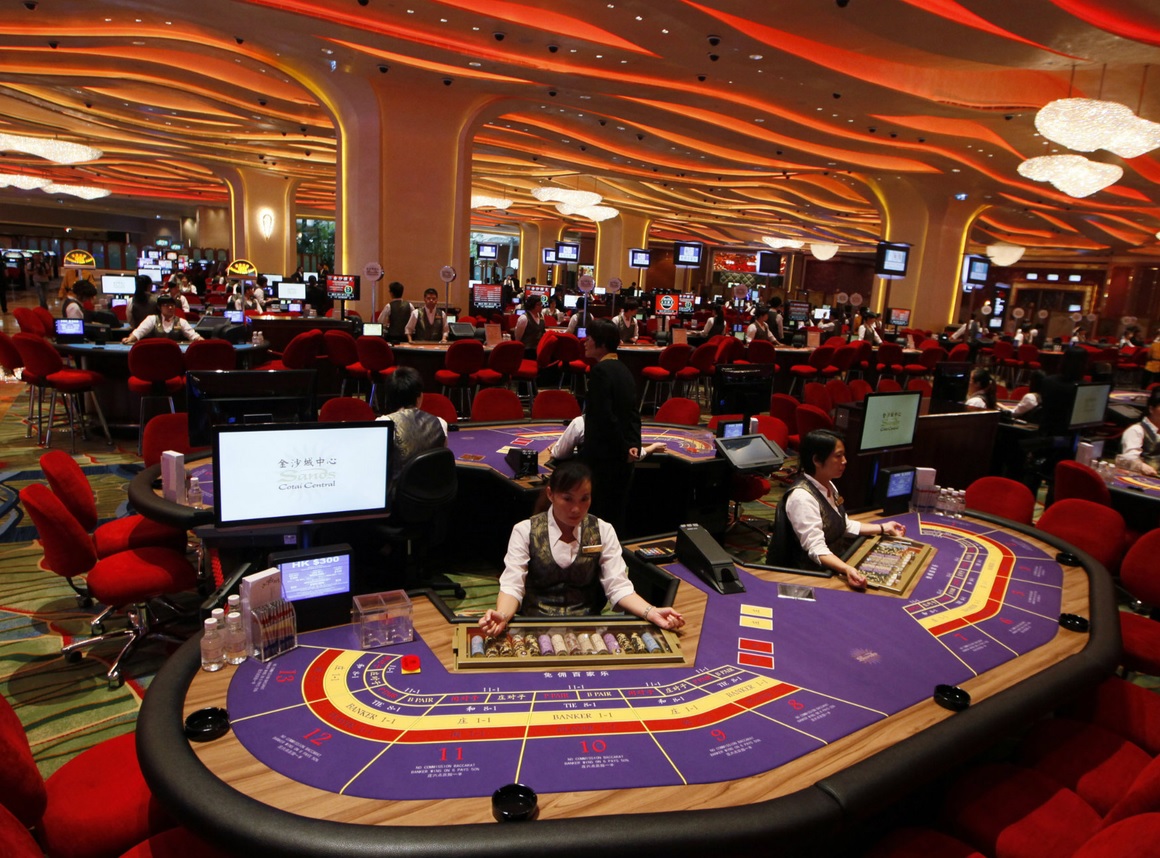
The most visible physical driver of global casino growth is the widespread adoption of the integrated resort (IR) model. Pioneered in the United States and refined to monumental scale across Asia, the integrated resort departs from the singular focus on gambling by offering an all-encompassing lifestyle destination.
Modern integrated resorts combine large-scale gaming floors with a vast array of non-gaming amenities, creating diverse revenue streams that cater to both casual tourists and high-stakes players:
-
Luxury Hospitality and Wellness: World-class five-star hotel towers, expansive wellness spas, and private retreats that rival top standalone luxury hotel chains.
-
Michelin-Starred and Celebrity Dining: High-end culinary partnerships featuring internationally celebrated chefs, bringing global food tourism directly to the property.
-
Retail and Convention Infrastructure: Expansive luxury shopping malls and high-capacity convention centers designed to capture both international business conferences and high-net-worth retail spend.
-
World-Class Live Entertainment: Dedicated residency theaters, arena-sized concert venues, cutting-edge night clubs, and bespoke acrobatic productions.
By transforming casinos into multifaceted entertainment districts, operators have successfully expanded their customer base, appealing to leisure travelers, business delegates, and families who might never step onto a physical gaming floor.
Regional Hotspots Driving Worldwide Expansion
The geographical distribution of casino entertainment has diversified considerably, with specific global regions emerging as powerful growth centers.
The Asia-Pacific Powerhouse
The Asia-Pacific region represents the most lucrative physical casino market in the world. Macau quickly eclipsed other historic gaming hubs in terms of gross gaming revenue, driven by proximity to affluent regional travelers and massive infrastructure investments along the Cotai Strip.
Concurrently, Singapore redefined the standard for modern luxury gaming with iconic properties that balanced strict regulatory frameworks with world-renowned architectural design. Across the broader region, new developments in the Philippines, South Korea, and Vietnam continue to attract foreign direct investment and boost international tourism numbers.
Expansion and Modernization in North America
In North America, the traditional gaming strongholds have undergone extensive modernizations while regional commercial and tribal gaming continue to expand. Commercial casino legislation across numerous US states has decentralized gambling, bringing modern properties closer to metropolitan populations. Simultaneously, Las Vegas and Atlantic City have leaned heavily into experiential entertainment, major league sports team integrations, massive digital music venues, and international food and beverage concepts to engage younger demographics.
European Regulatory Maturity and Heritage Markets
Europe continues to serve as an established and stable market where centuries-old gaming traditions operate alongside modern facilities. While historic properties in Monaco, the United Kingdom, and Germany maintain architectural heritage and prestige, major European operators have concentrated heavily on technological integration, cross-border digital compliance, and omnichannel experiences that link physical venues directly with mobile accounts.
Emerging Markets in Latin America and Africa
Developing markets in Latin America and Africa are recording steady growth in casino entertainment. Countries across these regions are modernizing regulatory frameworks to formalize domestic wagering, attract international hotel and casino developers, and generate tax revenues. Rising urban middle classes and increasing internet accessibility make these territories highly attractive for both land-based and digital operators.
The Digital Revolution: Mobile Platforms, Live Dealer, and Cloud Gaming
While physical properties continue to command high visitation numbers, the digital segment represents the fastest-growing frontier in casino entertainment. The rise of smartphones, high-speed mobile broadband, and cloud infrastructure has decoupled gaming from geographical boundaries.
Several technological breakthroughs have accelerated this digital surge:
-
Live Dealer Technology: Real-time video streaming from dedicated studio floors allows players to interact with human dealers and other participants on their personal devices, merging the authenticity of a land-based table with the convenience of remote access.
-
Cross-Platform Synchronization: Players can seamlessly shift between desktop platforms, mobile applications, and physical loyalty cards, maintaining unified balances, custom interface settings, and player rewards points.
-
Advanced Graphical Engines: Modern digital games employ complex three-dimensional rendering, narrative storylines, cinematic soundtracks, and interactive mini-games that resemble modern video game design rather than static chance games.
-
Instant Payment Gateways: Streamlined banking integrations, including automated clearing house systems, digital wallets, and instant bank transfers, allow for immediate and secure deposits and withdrawals.
Economic Impacts and Infrastructure Development
The global growth of the casino entertainment sector brings profound economic ramifications for host cities, states, and nations. When properly regulated, casino developments serve as major catalysts for broader economic revitalization.
-
Job Creation: Large-scale integrated resorts employ thousands of individuals across hospitality, culinary arts, facilities management, security, finance, and technical entertainment production.
-
Tax Revenue Generation: Regulated gaming generates substantial direct tax revenue for local and national governments, which is frequently earmarked for public education, infrastructure maintenance, healthcare programs, and tourism promotion.
-
Ancillary Business Stimulation: Casino resorts stimulate regional economies by purchasing goods from local agricultural producers, contracting with regional construction firms, and funneling visitors to surrounding shops, transportation networks, and independent cultural venues.
-
Public Infrastructure Upgrades: The establishment of major gaming destinations often accelerates the construction of airport expansions, mass transit rail lines, modernized highway corridors, and utility grid upgrades.
Modern Regulatory Frameworks and Responsible Gaming
As the sector expands worldwide, regulatory bodies have evolved from simple revenue collection agencies into sophisticated oversight authorities focused on consumer protection, financial integrity, and social responsibility.
Modern regulatory standards emphasize proactive harm-minimization measures:
-
Automated Behavioral Tracking: Systems analyze wagering frequency, session duration, and deposit patterns to identify early signs of problematic behavior and trigger automated warnings or cooling-off periods.
-
Mandatory Self-Exclusion Networks: Comprehensive registries allow players to voluntarily ban themselves from all physical and digital operators within a state or national jurisdiction.
-
Strict Age and Identity Verification: Multi-tiered Know Your Customer protocols and biometric verification procedures ensure minors and unauthorized individuals cannot access real-money games.
-
Anti-Money Laundering Protocols: Rigorous financial compliance frameworks, continuous transaction monitoring, and strict reporting requirements maintain transparency and prevent illicit financial activity.
The Future Landscape of Casino Entertainment
The trajectory of the casino industry points toward deeper immersion, dynamic customization, and intelligent automation. The ongoing integration of augmented reality and virtual reality technologies aims to recreate social casino floors in three-dimensional virtual spaces. Concurrently, artificial intelligence models will increasingly personalize entertainment recommendations, adjust game interfaces in real time, and further strengthen preventative player protection tools.
As casino entertainment continues to intersect with global tourism, sports media, digital culture, and culinary arts, the sector will maintain its rapid international growth. By balancing high-value lifestyle entertainment with technological innovation and robust regulatory safeguards, the global casino industry remains one of the most resilient and evolving sectors in the international entertainment landscape.
Frequently Asked Questions
What constitutes non-gaming revenue in a modern integrated resort?
Non-gaming revenue refers to all income generated by a resort property outside of actual gambling transactions. This includes hotel room bookings, ticket sales for theatrical shows and concerts, restaurant and bar receipts, retail mall lease fees, convention center bookings, nightclub admissions, and spa services. In many leading integrated resorts, non-gaming activities account for more than half of the property total gross revenue.
How do modern casinos use artificial intelligence to enhance the guest experience?
Casinos utilize artificial intelligence algorithms to analyze player preferences, historical visit patterns, and service interactions. This data allows properties to deliver personalized hotel room upgrades, custom dining recommendations, tailored event invitations, and dynamic promotional bonuses directly to a guest mobile app or loyalty interface, ensuring a frictionless and customized hospitality experience.
What is the primary difference between a commercial casino and a tribal casino?
Commercial casinos are privately owned, for-profit businesses that operate under state and local commercial gaming licenses, paying tax revenues directly to municipal and state general funds. Tribal casinos are owned and operated by sovereign Native American or Indigenous tribal governments, with revenues directed toward tribal community infrastructure, healthcare facilities, educational programs, and local economic self-sufficiency, often under specific state compact agreements.
How do global operators ensure the fairness and randomness of electronic games?
Electronic gaming devices, whether physical slot machines or digital online games, rely on cryptographically secure algorithms known as Random Number Generators. These systems generate unpredictable outcomes for every single game cycle. To ensure complete fairness, independent, government-accredited testing laboratories regularly inspect, test, and certify the source code and physical chips of all electronic games before and during their operational life.
What are the main obstacles facing emerging markets that wish to legalize casino entertainment?
Emerging markets often face complex challenges, including crafting comprehensive legislation that balances economic growth with social harm prevention, establishing competent regulatory enforcement bodies, securing significant foreign capital investment, addressing social and cultural opposition, and upgrading local transportation and electrical utility grids to support massive resort complexes.
Why have live entertainment residencies become so popular in casino destinations?
Live entertainment residencies, where prominent musical artists or theatrical acts perform long-term runs at a single venue, serve as powerful customer acquisition tools for resorts. They draw diverse demographics to the property, drive hotel occupancy, fill high-end restaurants, and generate substantial social media visibility, creating a steady influx of visitors who engage with the broader resort amenities during their stay.
How do international currency exchange and compliance work for foreign tourists at global resorts?
Modern integrated resorts operate specialized financial cashier cages that follow strict international banking regulations and anti-money laundering laws. Foreign visitors can exchange international currencies at verified market rates, utilize secure wire transfers directly from recognized financial institutions, or use authorized international credit networks, with all large-value cash transactions documented and audited according to international financial compliance standards.
What is your reaction?
Excited
0
Happy
0
In Love
0
Not Sure
0
Silly
0