 By Miah Ayaan
Purchasing a home represents one of the largest financial commitments most people will make in their lifetime. Amid the excitement of touring properties, envisioning renovations, and securing financing, it is easy to overlook the physical health of the structure itself. A fresh coat of paint, modern staging, and polished hardwood floors can easily conceal substantial structural defects, outdated plumbing, or deteriorating electrical systems.
A comprehensive home inspection serves as your primary defense against unexpected financial burdens. It converts emotional assumptions into objective, actionable data about the property condition. Approaching the inspection process with a strategic mindset allows buyers to negotiate repairs, request financial credits, budget for future maintenance, or walk away from a potential financial trap.
The Strategic Importance of the Inspection Contingency
Before scheduling an inspector, ensure your purchase agreement includes a properly drafted inspection contingency clause. This legal safeguard gives the buyer a specified period, typically seven to fourteen days, to evaluate the property through professional inspections and decide how to proceed.
-
Negotiation Leverage: A detailed inspection report provides concrete documentation to request seller repairs or price reductions before closing.
-
Financial Protection: If severe structural flaws, environmental hazards, or extensive safety issues are discovered, the contingency allows the buyer to cancel the contract and retrieve their earnest money deposit without legal penalty.
-
Maintenance Road Map: Even if no major defects are found, the report functions as an invaluable manual for managing future upkeep and component replacements.
Waiving an inspection contingency in a competitive real estate market exposes the buyer to massive financial risk. What appears to be a turnkey home could easily require tens of thousands of dollars in hidden foundation or roof repairs within months of closing.
Selecting the Right Home Inspector
The quality of an inspection depends entirely on the expertise, thoroughness, and independence of the professional performing it. Do not simply select the first name provided by your real estate agent or choose based solely on the lowest price.
-
Professional Credentials: Verify that the inspector is certified by recognized industry bodies, such as the American Society of Home Inspectors (ASHI) or the International Association of Certified Home Inspectors (InterNACHI).
-
State Licensing and Insurance: Ensure the inspector holds all required state licenses and carries both Errors and Omissions (E&O) and general liability insurance.
-
Sample Reports: Request a sample inspection report before hiring. Look for clear digital documentation featuring high-resolution photographs, distinct defect classifications (safety hazard, major repair, minor maintenance), and detailed narrative descriptions.
-
Hands-On Experience: Inquire about their background in residential construction, engineering, or municipal building code enforcement, as well as their familiarity with the specific architectural style and age of the home.
Critical Systems to Scrutinize During the Inspection
A standard residential home inspection evaluates hundreds of individual items across the interior and exterior. However, certain high-value, foundational systems warrant intense focus because their failure represents catastrophic repair costs.
Roof and Attic Space
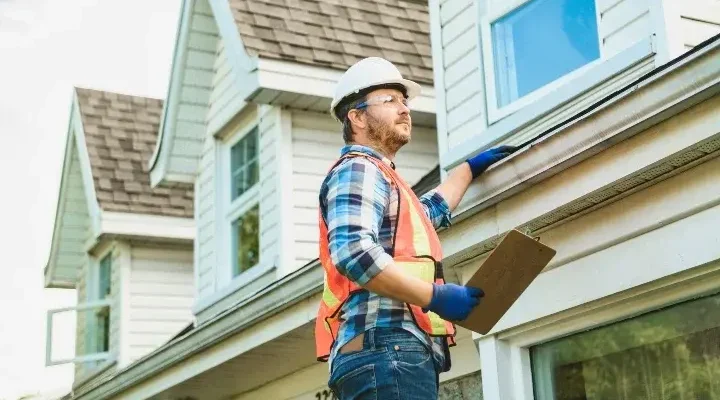
The roof is the home primary defense against water intrusion. Inspectors examine the condition of shingles or tiles, flashing around chimneys and vent pipes, gutter alignment, and downspout drainage.
Inside the attic, the inspector must check for:
-
Adequate ventilation to prevent moisture accumulation and premature shingle decay.
-
Proper insulation depth to ensure energy efficiency and prevent winter ice dams.
-
Water staining, wood rot, or mold growth on rafters, trusses, and roof sheathing.
-
Structural modifications, such as cut or notched trusses, which compromise structural load capacities.
Foundation, Grading, and Drainage
Water is the primary enemy of residential foundations. The inspector evaluates exterior grading to ensure the ground slopes away from the foundation walls at a minimum slope of six inches over the first ten feet.
Foundation checks include:
-
Diagonal or horizontal step cracking in concrete slabs, cinder blocks, or poured foundation walls.
-
Efflorescence, a powdery white mineral salt deposit indicating chronic moisture seepage through masonry.
-
Sump pump operation, discharge line routing, and backup power configurations.
-
Floor levelness, wall bowing, and door frames that stick or show gaps, which suggest differential foundation settlement.
Electrical Systems and Panels
Electrical standards have evolved significantly over the past several decades. Outdated or modified electrical systems present severe fire and electrocution hazards.
Key electrical evaluation points:
-
Main service panel capacity, verifying that service amperage (typically 100 to 200 amps) matches modern household power demands.
-
Identification of obsolete and dangerous wiring, such as knob-and-tube wiring in older homes or aluminum branch circuit wiring from the 1960s and 1970s.
-
Correct breaker sizing and absence of dangerous double-tapped breakers where two wires enter a single terminal.
-
Functional Ground Fault Circuit Interrupter (GFCI) outlets near wet zones like kitchens, bathrooms, garages, and exterior walls.
Plumbing and Water Heating
Plumbing issues can remain hidden within walls and crawlspaces for months before causing visible water damage or mold blooms.
The inspector should evaluate:
-
Supply pipe material, looking out for outdated galvanized iron pipes that suffer internal corrosion or polybutylene piping known for sudden joint failures.
-
Drain, waste, and vent lines for active leaks, slow drainage, or improper pitch.
-
Water heater age, tank corrosion, pressure relief valve functionality, and adequate venting of combustion gases.
-
Water pressure and flow performance when multiple plumbing fixtures are operated simultaneously.
Heating, Ventilation, and Air Conditioning (HVAC)
Replacing a central air conditioner, heat pump, or furnace is a significant capital expense. An inspector tests both heating and cooling functions using baseline temperature differential measurements across air registers.
HVAC assessments include:
-
The manufacturing age and estimated remaining service life of the compressor and air handler.
-
Heat exchanger integrity to ensure dangerous carbon monoxide leaks do not enter household air supplies.
-
Ductwork condition, sealing, and insulation in unconditioned crawlspaces or attics.
-
Proper condensate drainage routing to prevent overflow damage inside ceilings or walls.
Active Participation: How to Attend the Inspection
Attending the physical home inspection in person is one of the most beneficial steps a buyer can take. While the inspector will compile an official written document, walking the property alongside them provides deeper context that static photographs cannot convey.
-
Arrive Toward the Final Hour: Allow the inspector to conduct their preliminary structural and mechanical tests without interruption. Joining them for the final 60 to 90 minutes enables a focused, detailed walkthrough of all documented findings.
-
Ask Clarifying Questions: Ask the inspector to distinguish between cosmetic flaws, routine maintenance items, and severe structural or safety concerns.
-
Locate Main Shut-Off Controls: Have the inspector show you the exact locations and operation of the main water shut-off valve, main electrical breaker, gas shut-off valve, and HVAC filters.
-
Take Detailed Notes and Photos: Document specific model numbers, electrical panel diagrams, and serial numbers for future reference and warranty research.
Evaluating Specialized Ancillary Inspections
A standard general home inspection is non-invasive and visual. It does not dismantle walls, excavate soil, or test underground utility lines. Depending on the age, geographic location, and physical features of the property, booking specialized ancillary inspections is vital.
-
Sewer Scope Inspection: A specialized camera is run from the main drain cleanout through the yard to the municipal sewer main or septic tank. This identifies tree root intrusions, crushed clay pipes, offset joints, and standing water bellies that cost thousands of dollars to excavate.
-
Radon Gas Testing: Radon is a naturally occurring, odorless, radioactive gas that enters homes from underlying bedrock. A continuous monitor records indoor levels over 48 hours to confirm radon remains below the safe threshold of 4.0 picocuries per liter.
-
Termite and Wood-Destroying Organisms (WDO): A certified pest specialist inspects crawlspaces, sills, and framing for active termite colonies, carpenter ants, powderpost beetles, and dry rot.
-
Chimney and Flue Scope: A camera inspects the internal clay flue tiles or stainless steel liner for cracks, creosote buildup, and missing mortar that create chimney fire hazards.
-
Mold and Air Quality Testing: If dampness, musty odors, or historic water staining are present, air and surface samples test for airborne spore concentrations.
Formulating a Post-Inspection Negotiation Strategy
Once you receive the completed inspection report, resist the temptation to present the seller with an exhaustive list of every minor cosmetic flaw, chipped paint edge, or loose cabinet hinge. Nickel-and-diming over small items creates friction and stalls negotiations.
Focus your requests strictly around major issues:
-
Structural and Safety Hazards: Demanding repairs or financial credits for unsafe electrical panels, active gas leaks, damaged structural joists, or failing roofs.
-
High-Cost System Replacements: Negotiating a purchase price reduction or closing cost concession for heating systems, sewer lines, or water heaters operating past their expected lifespan.
-
Requesting Financial Credits Over Seller Repairs: Whenever possible, request a closing cost credit or price reduction rather than having the seller perform the physical repairs. Sellers are incentivized to hire the cheapest contractors to complete work quickly, whereas a financial credit allows you to select quality licensed contractors to execute repairs properly after closing.
Frequently Asked Questions
What happens if an inspector identifies an unpermitted addition or renovation on the property?
If an inspector suspects that a finished basement, garage conversion, or room addition was built without municipal permits, the buyer should request permit records from the local building department. Unpermitted work can lead to municipal fines, forced demolition, structural safety hazards, and denial of insurance coverage if an unpermitted electrical or plumbing modification causes property damage. Buyers can require the seller to obtain retroactive permits or provide price concessions to cover legalization costs.
Can a home completely fail a residential home inspection?
No, a home inspection is not a pass-or-fail examination. The inspector does not issue a numerical grade or an official pass or fail certification. Instead, the inspection report is an objective physical assessment describing the current condition of the structure and its mechanical components. Whether the findings are acceptable rests entirely on the judgment, budget, and risk tolerance of the prospective buyer.
How does an inspection differ from a bank appraisal?
A home inspection is performed strictly for the buyer benefit to evaluate the physical condition, safety, and mechanical integrity of the home. A bank appraisal is ordered by the mortgage lender to estimate the fair market value of the property based on recent comparable sales in the neighborhood. Appraisers only conduct a brief visual check to confirm the home meets minimum habitability guidelines to protect the lender financial collateral.
What tools and technologies should a modern home inspector utilize during the evaluation?
A professional inspector should carry specialized diagnostic tools beyond simple flashlights and screwdrivers. These include thermal imaging infrared cameras to detect hidden insulation gaps and moisture leaks behind drywall, digital moisture meters, non-contact electrical voltage testers, circuit analyzers to verify grounding, combustible gas leak detectors, and high-resolution camera drones or telescoping poles to inspect steep, inaccessible roof structures safely.
How long does a standard residential home inspection typically take to complete?
A comprehensive inspection on an average single-family home ranging between 1,800 and 2,500 square feet generally takes between two and four hours. The duration increases for older properties, larger homes, complex layouts, or when ancillary services like sewer scopes and radon tests are performed concurrently.
Are sellers legally obligated to fix items flagged as defective in the home inspection report?
No, sellers are under no legal obligation to fix defects, replace aging equipment, or offer financial concessions unless required by specific local building mandates (such as mandatory operational smoke detectors) or minimum government loan underwriting standards (such as FHA or VA loan requirements). The buyer primary leverage is the right to cancel the contract and walk away under the inspection contingency if mutually agreeable terms cannot be reached.
What should a buyer do if an inspector cannot access a locked or blocked area during the visit?
If locked doors, stored personal belongings, or severe weather prevent the inspector from accessing the attic, crawlspace, electrical panel, or furnace, document the limitation immediately. Request that your real estate agent contact the seller to clear the obstruction or provide keys, and schedule a re-inspection of those specific inaccessible areas before the inspection contingency deadline expires to ensure no major defects remain hidden.
What is your reaction?
Excited
0
Happy
0
In Love
0
Not Sure
0
Silly
0