 By Miah Ayaan
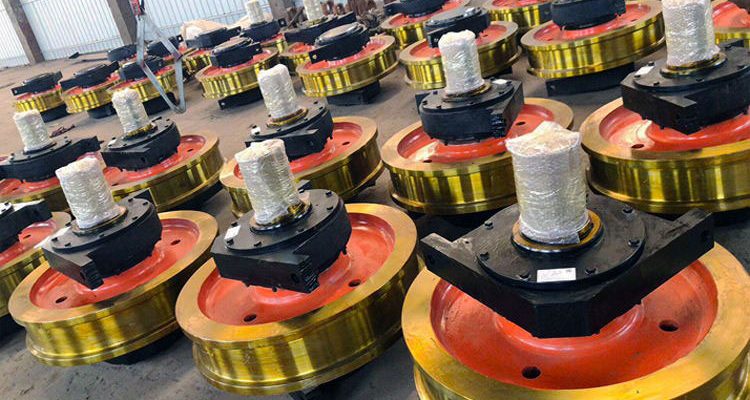
Wheels are an essential part of any crane. Usually constructed from cast steel, cast iron, or manufactured steel, they enable the crane to move and carry heavy loads. They sustain the crane’s weight and allow safe, efficient movement.
However, crane wheels are susceptible to deterioration or wear with time, which can lower efficiency and pose safety risks. Thankfully, you can enhance safety and boost production through proper maintenance. Here are some essential tips for maintaining your crane wheels:
Routine inspections
Your crane’s end truck wheels must be in good shape to operate this enormous piece of equipment and lift heavy loads on site. Visually check the wheels for wear, damage, or irregularities on a regular basis. You can also have an outside specialist check its alignment. This is to make sure the crane is safe and complies with regulations.
Keep spare crane wheels from Kor Pak on hand just in case they need replacement. It would be best to replace them as soon as you see significant wear to avoid any inconvenience and maintain safety operations.
Lubricate appropriately
The wheels and runway rails will eventually wear down due to the friction of the crane flanges on the runway rail. You should apply lubricant on the wheel and tread surfaces to reduce the friction.
Solid dry lubrication sticks are an affordable way to significantly increase the life of wheels and rails on cranes. Additionally, lubrication enhances the quality of the wheel and rail surfaces, which boosts the crane’s performance.
Upgrade when necessary
How do you determine whether your crane’s wheels and tracks need to be upgraded? The following are indicators to watch out for:
- Wheels or rails with excessive wear or damage
- uneven deterioration of the rails or wheels
- The crane’s inability to move precisely or smoothly
- Increased vibration or noise while operating a crane
- Safety issues when operating a crane
The environment, load capacity, and consumption are some of the variables that affect crane wheels’ operation. You can determine whether it’s time to improve with routine inspections.
Always change the wheels in pairs
Replacing a crane’s drive wheels in pairs rather than one at a time is advisable. Doing this could seem like a waste of time, especially if the other drive wheel is still working. But if you don’t do this, there will be future issues with crane alignment.
The absence of wear and damage signs does not imply that the opposing drive wheel is in great working order. It is also, on average, very close to collapsing because it has been subjected to counterproductive strain. The correct size matching of your crane driving wheels is essential. It prevents crane skew, flange, and rail degradation.
Install appropriately
When changing crane wheels, verify that skilled people are performing the installation. Before using the new wheels and tracks, ensure they are in good condition. Additionally, test the crane after installation to ensure everything operates as it should.
Summing up
It’s critical to select the appropriate wheel size and type, fasten it firmly to the crane, and check it regularly for wear and damage. Also, remember to routinely clean and lubricate wheel bearing assemblies. Finally, following the manufacturer’s instructions and performing routine maintenance are essential for safe crane operation.