 By Miah Ayaan
In industrial operations, transferring viscous fluids efficiently is a constant challenge. Many industries, including manufacturing, chemical processing, and lubrication systems, require pumps that can reliably handle thick oils, heavy lubricants, and other viscous liquids. Oil gear pumps have emerged as a preferred solution for these applications due to their reliability, precision, and ability to manage demanding fluid conditions. Understanding why these pumps are widely used and how they operate is essential for industry professionals seeking optimal fluid handling solutions.
Understanding Oil Gear Pumps
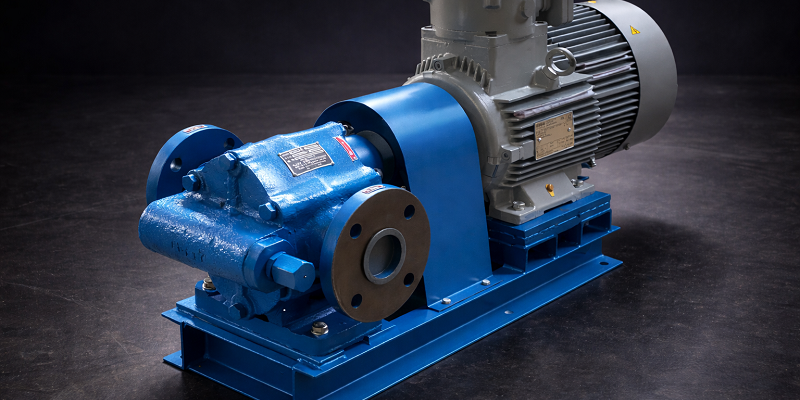
An oil gear pump is a type of positive displacement pump designed specifically to handle oil and other viscous fluids. Unlike centrifugal pumps, which rely on velocity to move fluid, a gear pump moves a fixed volume of liquid with each rotation of its gears. This ensures a consistent, controlled flow even under high pressure or challenging fluid conditions.
The core components of an oil gear pump include two intermeshing gears, a pump housing, and drive shafts. As the gears rotate, they trap fluid between the gear teeth and the casing. The fluid is carried from the pump’s inlet to its outlet in a smooth, continuous motion. This design allows the pump to transfer thick, slow-moving liquids without significant shear, making it ideal for lubricating oils, hydraulic fluids, and heavy fuel oils.
Advantages of Using an Oil Gear Pump
Several factors contribute to the widespread use of oil gear pumps for viscous fluid transfer:
- Consistent Flow – Oil gear pumps provide precise and continuous fluid movement, ensuring predictable flow rates even in high-pressure systems.
- Viscosity Handling – These pumps are capable of moving fluids with a wide range of viscosities, from light oils to extremely thick lubricants.
- Durability – Gear pumps are built to withstand wear and tear, making them suitable for long-term industrial use.
- Minimal Pulsation – The smooth gear action reduces flow pulsation, protecting piping and minimizing vibration.
- Versatility – Gear pumps for oil can operate in both high- and low-temperature environments, making them adaptable to diverse industrial applications.
These benefits make oil gear pumps a reliable choice for industries where efficient and precise fluid handling is critical.
How Oil Gear Pumps Handle Viscous Fluids
The working principle of an oil gear pump is simple yet highly effective. As the gears rotate, fluid is trapped in the spaces between the gear teeth and the pump casing. This trapped fluid moves along the gears’ rotation path from the suction side to the discharge side. The positive displacement mechanism ensures that the same volume of fluid is moved with every gear rotation, regardless of pressure fluctuations in the system.
Because of this design, oil gear pumps can manage thick, slow-moving liquids that may be challenging for other pump types. Unlike centrifugal pumps, which can lose efficiency when handling viscous fluids, oil gear pumps maintain steady performance and prevent issues like cavitation or backflow.
Applications of Oil Gear Pumps in Industry
Oil gear pumps are utilized across a wide range of industries due to their ability to handle viscous fluids effectively. Common applications include:
- Lubrication Systems – Ensuring consistent oil flow in machinery and automotive systems for smooth operation and reduced wear.
- Chemical Processing – Transferring viscous chemicals, oils, and additives safely and efficiently.
- Hydraulic Systems – Maintaining high-pressure oil circulation in heavy machinery and industrial equipment.
- Fuel Handling – Pumping heavy oils and fuel oils in power plants, refineries, and industrial plants.
- Food and Beverage Industry – Moving thick edible oils and syrups without compromising quality.
In each of these applications, oil gear pumps offer reliable, predictable, and controlled fluid transfer, which is critical for operational efficiency and equipment longevity.
Choosing the Right Gear Pump for Oil
Selecting the appropriate gear pump for oil involves several important considerations:
- Fluid Properties – Assess the viscosity, temperature, and chemical composition of the fluid to ensure compatibility with the pump.
- Flow Rate and Pressure Requirements – Determine the desired flow rate and system pressure to select a pump that meets operational needs.
- Material Selection – Depending on fluid corrosiveness or abrasiveness, stainless steel or other durable materials may be necessary.
- Maintenance and Support – Consider the ease of maintenance and availability of replacement parts to maximize pump lifespan.
Working with a knowledgeable pump supplier or manufacturer can help in identifying the ideal oil gear pump configuration for specific industrial applications.
Maintenance Tips for Optimal Performance
Proper maintenance is essential to ensure the longevity and efficiency of oil gear pumps. Key maintenance practices include:
- Regular Inspection – Check the gears, bearings, and seals for signs of wear or damage.
- Lubrication – Ensure that moving components are properly lubricated to prevent friction and overheating.
- Fluid Quality Monitoring – Avoid contamination or excessive particulate matter that can increase wear.
- Alignment Checks – Ensure the pump is correctly aligned with the drive motor to prevent vibration and mechanical stress.
Routine maintenance not only prolongs the life of the pump but also guarantees steady, efficient fluid transfer in critical processes.
Why Oil Gear Pumps Remain a Preferred Choice
Oil gear pumps continue to be widely used in industries that require the transfer of viscous fluids because of their durability, precision, and reliability. Their positive displacement design ensures steady, predictable flow, while their ability to handle thick and heavy liquids sets them apart from other pump types.
Understanding the working principle, advantages, and applications of oil gear pumps enables engineers and operators to make informed choices that enhance operational efficiency and reduce maintenance challenges. By selecting the right gear pump for oil and adhering to proper maintenance practices, industries can ensure smooth fluid handling, protect equipment, and maintain productivity over the long term.