 By Miah Ayaan
Education is the cornerstone of personal development and societal progress. Over the years, the field of education has transformed dramatically, influenced by technology, evolving teaching methodologies, and the changing needs of students. In 2025, the education sector continues to innovate, creating opportunities for personalized learning, global collaboration, and skill-based training. Understanding these developments can help students, educators, and policymakers adapt effectively.
The Evolution of Education
The journey of education spans centuries, from traditional classrooms to modern digital platforms. Historically, education was limited to select individuals, often focusing on rote memorization and classical subjects. The Industrial Revolution introduced standardized education systems to prepare students for industrial jobs, emphasizing literacy, numeracy, and discipline.
In the 21st century, education has become more inclusive and technology-driven. Modern education systems integrate critical thinking, problem-solving, and digital literacy, preparing students for a rapidly changing world.
Key Trends Shaping Education in 2025
Digital and Online Learning
One of the most significant changes in education is the rise of digital and online learning platforms. Online education offers flexibility, accessibility, and a wide range of learning materials, enabling students to learn at their own pace.
Key advantages of digital learning include:
- Access to global courses from top universities and institutions
- Interactive multimedia content, including videos, simulations, and quizzes
- Learning management systems (LMS) for tracking progress and performance
- Virtual classrooms and collaborative tools for peer interaction
These tools have become especially crucial during times of disruption, such as global pandemics, ensuring continuity of learning without physical classrooms.
Personalized Education and Adaptive Learning
Education is increasingly moving towards personalized learning, which tailors instruction to each student’s abilities, interests, and learning pace. Adaptive learning technologies use AI and data analytics to identify areas of strength and weakness, providing customized learning paths.
Benefits of personalized education include:
- Improved engagement and motivation for students
- Faster mastery of challenging subjects
- Support for diverse learning styles, including visual, auditory, and kinesthetic learners
- Early identification of learning difficulties for timely intervention
Personalized education not only enhances academic performance but also builds confidence and self-directed learning skills.
Skill-Based and Vocational Education
The modern economy requires a workforce equipped with practical skills. Education systems are increasingly emphasizing skill-based and vocational training, bridging the gap between theoretical knowledge and real-world application.
Examples include:
- Coding and digital literacy programs
- Trade and technical education in fields such as manufacturing, healthcare, and construction
- Entrepreneurship and soft skills training, including communication, leadership, and teamwork
These programs prepare students for employment opportunities, internships, and entrepreneurial ventures, making education more relevant and career-oriented.
Global Collaboration and Exchange Programs
Globalization has expanded opportunities for cross-cultural learning. Students and educators can now engage in international collaborations through virtual exchange programs, online forums, and international projects.
Advantages of global education include:
- Exposure to diverse perspectives and cultures
- Development of global citizenship and intercultural competence
- Opportunities for collaborative problem-solving on global issues
- Access to international scholarships, competitions, and mentorship programs
Such initiatives encourage lifelong learning and broaden students’ horizons beyond local or national contexts.
Inclusive and Accessible Education
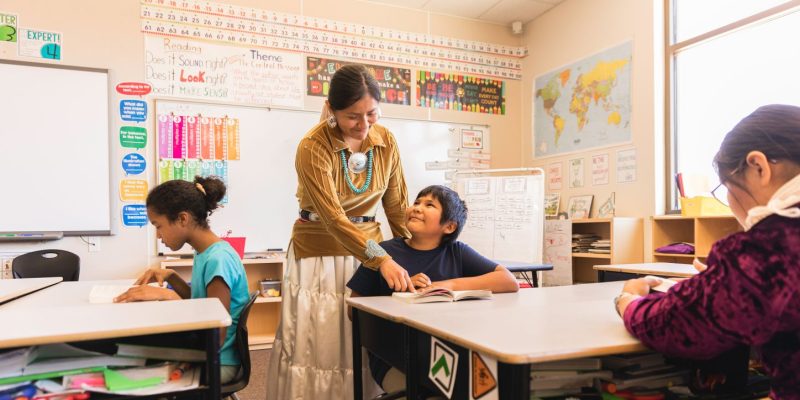
In 2025, there is a stronger focus on inclusive education, ensuring that all students, including those with disabilities or from marginalized communities, have access to quality learning. Inclusive education promotes equality and supports the holistic development of every learner.
Key strategies include:
- Accessible digital content with text-to-speech and captioning options
- Differentiated instruction and personalized support
- Teacher training programs focused on inclusive practices
- Policy frameworks promoting equitable access to educational resources
Inclusive education not only benefits individual learners but strengthens societies by fostering diversity, empathy, and equity.
Effective Teaching Strategies in Modern Education
Educators play a pivotal role in shaping the learning experience. In modern education, effective teaching strategies integrate technology, active learning, and critical thinking.
Active and Experiential Learning
Active learning encourages students to participate in discussions, projects, and hands-on activities. Experiential learning, such as internships, simulations, and fieldwork, allows students to apply theoretical knowledge in real-world settings.
Benefits include:
- Enhanced retention and understanding of complex concepts
- Development of problem-solving and analytical skills
- Increased student engagement and motivation
- Preparation for real-life challenges and professional environments
Flipped Classroom Model
The flipped classroom model reverses traditional teaching methods by delivering lectures online and using classroom time for interactive activities, discussions, and collaborative projects. This approach encourages student-centered learning and improves comprehension.
Integration of Technology in Classrooms
Modern classrooms are increasingly equipped with:
- Interactive whiteboards and digital projectors
- Tablets and laptops for student use
- Virtual and augmented reality tools for immersive learning
- Cloud-based platforms for sharing resources and assignments
These technologies facilitate dynamic, engaging, and personalized learning experiences.
Challenges in Education Today
Despite advancements, the education sector faces several challenges:
- Digital divide and unequal access to technology
- High costs of higher education and training programs
- Teacher shortages and varying quality of instruction
- Balancing standardized assessments with personalized learning approaches
- Adapting curricula to rapidly changing job market demands
Addressing these challenges requires coordinated efforts from governments, educational institutions, and communities.
The Future of Education
The future of education is likely to be more:
- Technology-driven, with AI tutors, VR classrooms, and digital assessments
- Personalized, focusing on individual learning needs and career aspirations
- Skill-oriented, aligning education with emerging industry requirements
- Inclusive, ensuring equal opportunities for all learners
- Globally connected, fostering collaboration and cultural exchange
By embracing these trends, education will continue to empower individuals and drive societal progress.
FAQs About Education
1. What are the benefits of online education compared to traditional classrooms?
Online education provides flexibility, access to global resources, and personalized learning experiences, while allowing students to learn at their own pace.
2. How does personalized education improve learning outcomes?
By tailoring instruction to each student’s abilities and learning style, personalized education increases engagement, motivation, and mastery of concepts.
3. What is skill-based education and why is it important?
Skill-based education focuses on practical, job-ready skills, preparing students for employment and real-world challenges beyond theoretical knowledge.
4. How can technology enhance classroom learning?
Technology enables interactive lessons, virtual simulations, real-time assessments, collaborative projects, and access to a wide range of digital resources.
5. What are inclusive education practices?
Inclusive education ensures all students, including those with disabilities or from marginalized backgrounds, have equitable access to learning, personalized support, and resources.
6. How does global collaboration benefit students?
Global collaboration exposes students to diverse perspectives, develops intercultural competence, and encourages innovative problem-solving in international contexts.
7. What challenges does modern education face?
Challenges include unequal access to technology, high costs, teacher shortages, maintaining quality instruction, and adapting curricula to evolving industry needs.
8. What is the role of experiential learning in education?
Experiential learning allows students to apply theoretical knowledge through hands-on projects, internships, and real-world problem-solving, enhancing comprehension and skills.